
Hosea 8
What Happens When Religion Replaces Relationship with God

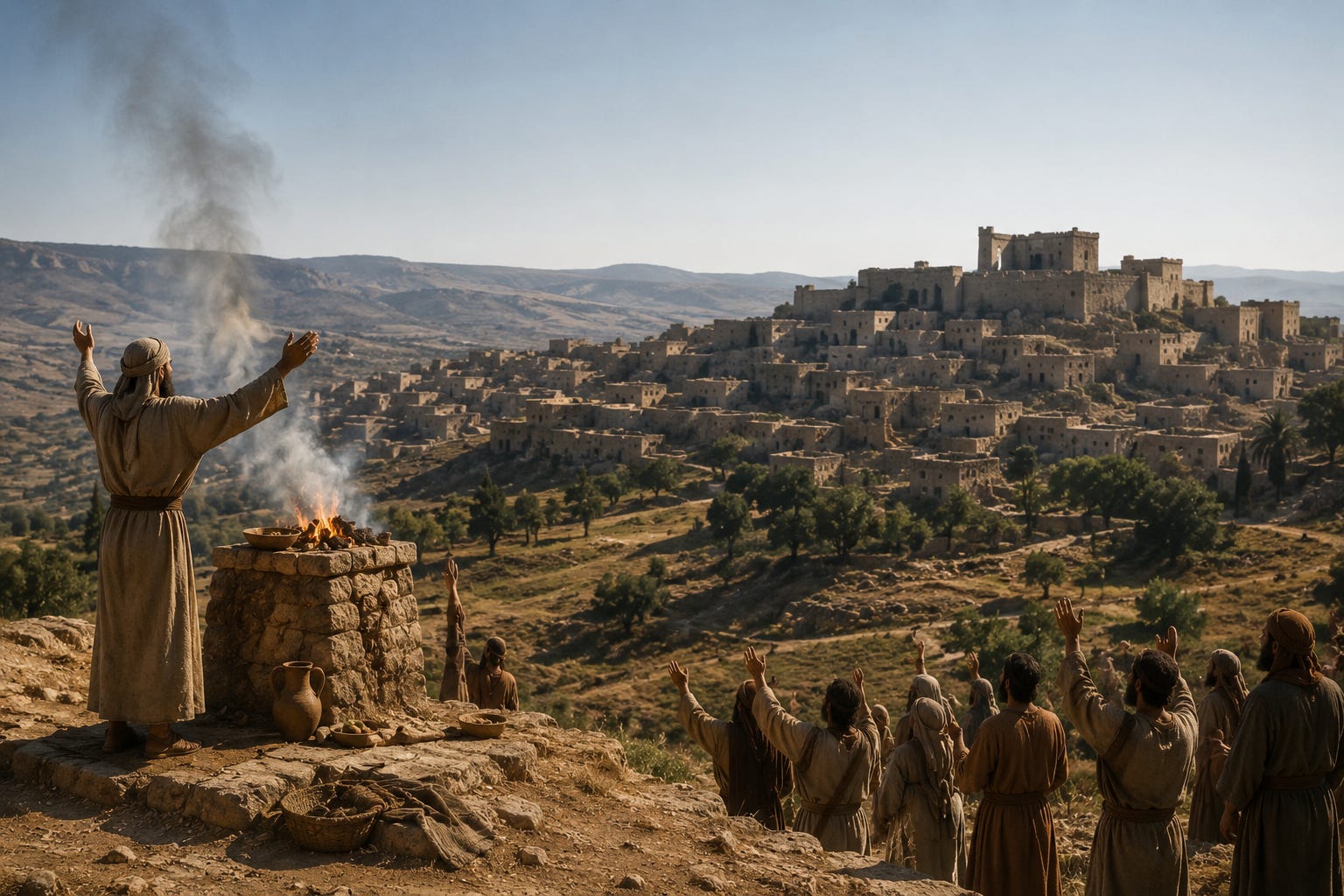
““Set the trumpet to your mouth! He shall come like an eagle against the house of the Lord, Because they have transgressed My covenant And rebelled against My law. Israel will cry to Me, ‘My God, we know You!’ Israel has rejected the good; The enemy will pursue him. “They set up kings, but not by Me; They made princes, but I did not acknowledge them. From their silver and gold They made idols for themselves— That they might be cut off. Your calf is rejected, O Samaria! My anger is aroused against them— How long until they attain to innocence? For from Israel is even this: A workman made it, and it is not God; But the calf of Samaria shall be broken to pieces. “They sow the wind, And reap the whirlwind. The stalk has no bud; It shall never produce meal. If it should produce, Aliens would swallow it up. Israel is swallowed up; Now they are among the Gentiles Like a vessel in which is no pleasure. For they have gone up to Assyria, Like a wild donkey alone by itself; Ephraim has hired lovers. Yes, though they have hired among the nations, Now I will gather them; And they shall sorrow a little, Because of the burden of the king of princes. “Because Ephraim has made many altars for sin, They have become for him altars for sinning. I have written for him the great things of My law, But they were considered a strange thing. For the sacrifices of My offerings they sacrifice flesh and eat it, But the Lord does not accept them. Now He will remember their iniquity and punish their sins. They shall return to Egypt. “For Israel has forgotten his Maker, And has built temples; Judah also has multiplied fortified cities; But I will send fire upon his cities, And it shall devour his palaces.”” Hosea 8:1-14
A Hollow Confession
“Set the trumpet to your mouth!”
Hosea 8 starts with battlefield language. A watchman sees danger approaching and sounds the alarm. It made the people aware of the danger that was drawing near.
Interestingly enough, throughout Scripture, God warns before He strikes. The flood had Noah’s preaching. Nineveh had Jonah. Judah had the prophets. Israel has Hosea. We now have Jesus, the perfect prophet, Lord of Lord, King of Kings.
“He shall come like an eagle against the house of the Lord”
We typically associate eagles with freedom in America. But here the eagle (or vulture, depending on translation) is a bird of prey descending rapidly upon its victim. What is coming upon Israel will be just as swift as it is certain.
What’s fascinating to me is that the bird is coming against “the house of the Lord.” Israel probably assumed that because they belonged to God’s covenant people, they were safe from those on the outside.
Hosea does not name the invader in verse 1, but the context leaves little doubt. Throughout the book, Assyria stands as the instrument of God’s judgment against Israel. So now, Assyria is coming, and Israel is helpless to stop it.
“Because they have transgressed My covenant and rebelled against My law.”
They transgressed. The word “transgressed” literally carries the idea of crossing a line. God had established the boundaries of His covenant, but Israel deliberately stepped over them. Even us being human, have lines or boundaries we expect others to respect.
Israel’s problem is not ignorance. They are deliberately unfaithful. They knew God’s commands and chose another path.
“Israel will cry to Me, ‘My God, we know You!’”
And so, when judgment arrives, Israel suddenly becomes very religious.
I see this all the time. It has even happened to me. I’ve done wrong, so I called out to God. But we should be seeking Him in all things. Not using him as a scapegoat.
Yet, notice they don’t deny God exists. They don’t claim to be atheists. They say, “We know You.” This reminds me of Matthew 7:23. And God immediately exposes the lie.
“Israel has rejected the good.”
Their claim is hollow.
In Hosea, knowing God is not merely possessing information about Him. It means walking with Him in covenant faithfulness. It’s a relationship. Just as Jesus demonstrated when he came to fulfill Hosea’s prophecies.
Israel claims to know God while rejecting what God calls good. They still do today.
That’s a theme worth developing because it speaks directly to church culture today. Plenty of people know Christian vocabulary, know Bible stories, and know doctrinal facts. But biblical knowledge is demonstrated by allegiance to the God of the Bible.
You Reap What You Sow
“They set up kings, but not by Me…”
This is not just bad leadership choices in a general sense. Hosea is pointing at the northern kingdom’s pattern after the split from Judah. Kingship became something they engineer and manipulate rather than something received under God’s covenant authority. Think about Jeroboam and the whole legacy of state-religion fusion that follows. It’s instability built on self-rule. It’s not just poor governance.
They are acting like political power doesn’t have to answer to God. As if leadership can be chosen and exercised without being under His authority or standards.
“From their silver and gold they made idols for themselves…”
(Exodus 32) Hosea is deliberately echoing that moment with the golden calf. But there is a progression. It’s institutionalized idolatry. What happened at Sinai as a shocking, one-time rebellion has now become everyday religion in Samaria. The same sin, just built into their system.
“Your calf is rejected, O Samaria! My anger is aroused…”
Yet, God doesn’t just suddenly lose patience like a frustrated father. It’s language of judicial rejection. He rejects it outright as false worship that has no standing before Him.
“How long until they attain to innocence?”
The sense is not are they trying to be innocent but failing. It’s closer to, how long will they be incapable of purity / innocence?Or even, how long will they refuse to become clean?
It’s rhetorical of course. God isn’t wondering if they can pull it off. He’s exposing that they are so entrenched in idolatry that innocence is no longer something they are moving toward. They are spiritually stuck in corruption. They love their sin.
“A workman made it, and it is not God…”
That’s almost sarcastic in tone. Hosea strips the idol down to its raw materials.. metal + human craftsmanship = not deity. It’s the same logic Isaiah will later hammer: you burn half the wood, cook dinner, and bow to the other half.
So, like the calf in Exodus, it will be destroyed, but the emphasis here isn’t just God breaks idols. It’s that the idol will prove unable to save them from the judgment their idolatry brings. Assyria is coming, and the “god” they trusted will be shattered with them.
Israel has not just repeating Aaron’s sin. They’ve built an entire national identity around it. Kings are self-appointed, worship is self-made, and God calls it what it is. And what they crafted with their hands will not stand when judgment comes.
The Harvest That Never Holds
“They sow the wind, and reap the whirlwind…”
What they plant is instability and emptiness, and what returns is amplified destruction.
“The stalk has no bud; it shall never produce meal…”
These are the results. This is what a harvest that never reaches usefulness looks like. It looks like life might come, but it never becomes food. And even if it does…
“If it should produce, aliens would swallow it up.”
Even if something slips through the cracks, it doesn’t belong to them long. The foreigners (Assyria in context) consume what Israel thought it had secured.
“Israel is swallowed up…”
They are being consumed politically. (Assyria)
They are being consumed spiritually. (loss of identity under judgment)
They are being rejected.
“Like a vessel in which is no pleasure.”
Not worth repairing. Not useful. Set aside.
This is not God saying “you annoy Me.”
It’s more like… the vessel has become so corrupted it no longer serves its purpose.
“Like a wild donkey alone by itself…”
A wild donkey in the ancient Near East was stubborn, untamed, roaming without guidance, and unproductive for work… useless. It wasn’t useful because it couldn’t be directed or yoked, it went its own way. In the same way, Israel is being pictured as restless and independent, refusing God’s direction and living without the stability of His guidance.
“Ephraim has hired lovers.”
Lovers = foreign nations (political alliances like Assyria and Egypt). Instead of trusting God, they are treating security like something they can purchase from outsiders…. like a spouse paying other people for affection and protection.
The point is that they rejected covenant faithfulness, they started buying safety and stability from the nations, and they ended up more exposed than before. And they also found that what they trusted to save them became the very thing that entangled and weakened them.
“Though they have hired among the nations…”
They tried to secure themselves through political alliances and payments. Assyria, surrounding powers, diplomacy instead of dependence on God.
“Now I will gather them…”
But this is a gathering for judgment.
God is saying: I’m going to collect them back in, not as protected people, but as a nation under discipline. Gathered for accountability.
“They shall sorrow a little…”
This is likely an understatement. Meaning either a brief period of suffering compared to what is still to come later, or the idea that they will begin to feel the weight and consequences of what they chose, as those decisions slowly come back on them with increasing seriousness.
“Because of the burden of the king of princes”
This is Assyria’s king. King of princes is a way of describing the Assyrian emperor as the ruler over subordinate kings.
The very system they trusted for protection (foreign alliances) will become the system that crushes them under Assyria’s rule.
Israel tried to secure themselves through self-made religion and self-made politics. But everything they built outside of God collapses into the same outcome.
And there is a warning underneath it all.
When God’s people stop trusting His covenant, even their “solutions” become the instruments of their undoing.
Religion Becomes Corruption
“Because Ephraim has made many altars for sin, they have become for him altars for sinning.”
This is the reversal that Hosea keeps pressing. More religion didn’t fix Israel, it multiplied their sin. Instead of one altar under God’s command, they built their own system, and it only deepened the corruption.
“I have written for him the great things of My law, but they were considered a strange thing.”
God doesn’t leave them in confusion. He spoke, clearly and repeatedly. But they treated His word like something foreign, something that didn’t belong to them anymore.
“They sacrifice flesh and eat it, but the Lord does not accept them.”
They are still doing religious activity but again, it’s hollow.
“Now He will remember their iniquity and punish their sins.”
What they ignored is now being brought into account.
“They shall return to Egypt.”
Not necessarily a literal return, but what Egypt represents: bondage, slavery, and the reversal of deliverance. The Exodus is being undone in principle because they rejected the God who brought them out.
This connects directly to Jesus’ warning in the New Testament:
“I never knew you.” (Matthew 7:23)
The pattern is the same. In both Hosea and the words of Christ, the issue is the absence of relationship. Israel is still sacrificing, still performing covenant rituals but the Lord does not accept them because they are not truly known in faithfulness.
In Matthew 7, people are pictured as prophesying, casting out demons, and doing works in Jesus’ name, yet the verdict is relational. “I never knew you.”
The terrifying reality is that activity can exist without communion and external religion can continue while relational connection is missing entirely.
“For Israel has forgotten his Maker, and has built temples…”
That’s the root issue. They remembered religion but forgot God. They still built, still worshiped, still organized, but apart from the One who made them.
“Judah also has multiplied fortified cities…”
Now the warning spreads. Judah thinks security will come from walls and military strength. Same mistake, different form.
“But I will send fire upon his cities, and it shall devour his palaces.”
Everything they trusted apart from God becomes unstable when judgment comes. Ephraim leads the drift, and the people follow. They still practice worship, still build security, still claim covenant identity, but ironically, without the covenant God.
Religion without God will always hollow out. Even good structures, altars, sacrifices, cities, systems, cannot carry what only relationship with the living God was meant to hold.
That’s why the gospel doesn’t come as a try harder religion. It’s more of a restored nearness.
In Christ, God is not asking people to rebuild what Israel broke. He is offering what Israel lost.. true knowledge of Him, real covenant life, forgiveness that is not ceremonial but personal, and a relationship that is maintained by grace.
So the warning of Hosea and the words of Jesus converge in one place. And that means external religion cannot replace being known by God. But the invitation of Christ is just as direct. He is the One who makes it possible again. Not depart from Me, but come to Me.
The question Hosea leaves hanging… What do you do when everything you built apart from God collapses?
Is answered in Christ?
YOU come back.
Not to systems, but to a Person.
His name is Jesus Christ of Nazareth. King of Kings, Lord of Lords, Mighty and Awesome!
With my decades of membership in the church, my multiple times reading the Bible cover to cover, my decades as a Christian college professor, my biblical knowledge – at times – seems to far overshadow the depths of my intimacy with the One for whom it was written.
Amen!!
Thanks, there are lot of things to reflect on here.